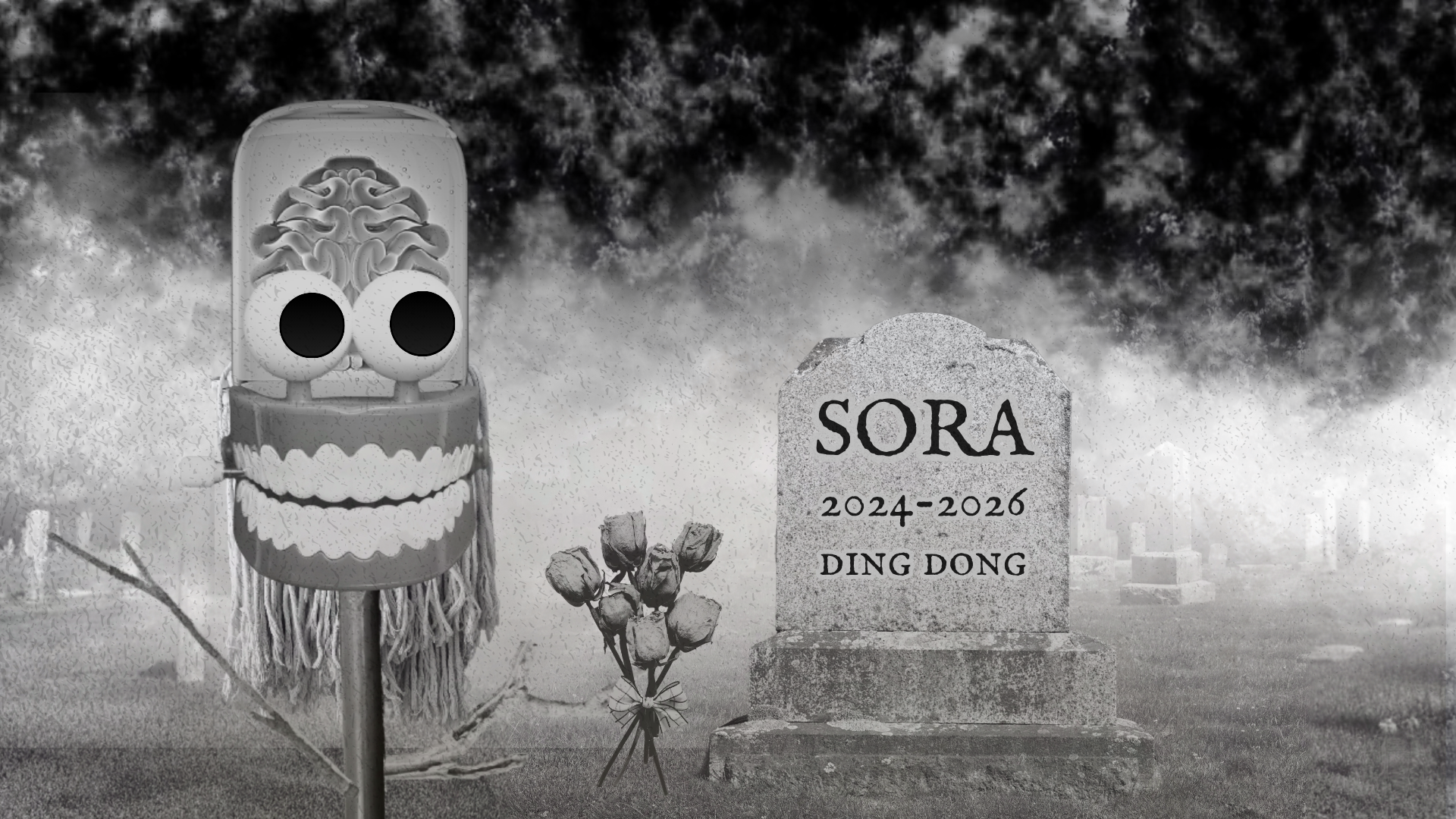
If you've started this week feeling almost effervescent, as if the forces of gravity have lessened, as if the energies of elation have permeated the cities and towns of this great Earth and swelled beneath our feet to lift us a few inches closer to the heavens, well, perhaps it is because the great Slopinator, the so-called Hollywood-killer, Sora, has been put out of its misery, summarily executed by Sam Altman and his coterie of panicked investors.
Despite Tyler Perry's warnings to the contrary, there has not been a Hollywood apocalypse. Or, at least, not one caused by AI. Instead of radically changing the face of Hollywood, Sora was instead dishonorably discharged by OpenAI to free up focus for endeavors that will definitely, finally make OpenAI profitable.
Because somehow the idea of a TikTok clone that spends millions of dollars a day generating nonsensical AI slop didn't have the same monetization potential as large VFX studios or social media platforms where the users supply the content themselves. Who could have guessed?
The evolution of Sora, from its origins being pitched as a technological partner to film and television studios, to its final state as a Disney-ified 4chan, mimics the trajectory of the AI industry writ large: constantly shifting business propositions and the search for some market, any market, where its disgusting inefficiencies can be made profitable through sheer force-of-will.
Now, in the face of mounting losses, and market encroachment of competitors like Claude who decided to go all-in on enterprise and productivity a long time ago, OpenAI is panicking, moving away from slopifying videos and erotic writing to fighting Claude Code and Cursor for the trophy of who can decimate the white-collar class the fastest.
To be clear, this is not the end of AI video or AI slop in general. Google's Veo model still exists, just not for free; commercials for the Superbowl and online ads are "testing the water" with fully AI copy; and every day people assure me that AI talking heads avatars and short-video content are "the future".
But the only people who actually think this are those whose daily exposure to art and culture does not extend beyond PowerPoint presentations and the latest Marvel movies. Corporate culture and tentpole cinema have long traded creativity and originality for conformity and the lowest possible entropy. I can no better recall which bloated and blurry superhero CGI showdown happened in which Marvel release than I can remember which AI slop image appeared in which slide in my company's town hall presentation deck.
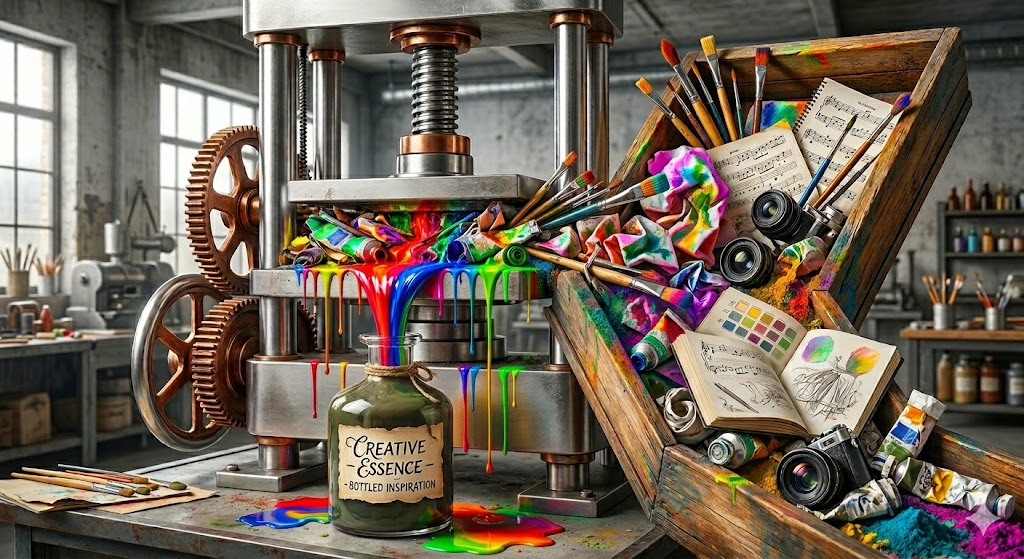
People, especially in times of economic crisis, hunger for human connection. It is because of this genuine need for social creativity, however trivialized and commoditized it may be, that platforms like TikTok and Instagram thrive. And why their users hand over their intellectual property for purposes of personalization and monetization. It is because of the perennial need for beauty and originality that 3 out of the 5 top-grossing movies in 2026 have been original stories.
It is why, despite the tantrums of CEOs and billionaires who demand that we accept their 2006-PowerPoint-clip-art-with-an-insta-filter-applied AI slop as the apotheosis of thousands of years of creative and artistic progress, humans still want humans making art.
It might take a few more casualties after Sora for the larger AI backlash to reach its apex, but this week, we are one glorious step closer.